
The Danube Meadow Area accommodation in guesthouses, villas and hotels
The Danube Meadow area
Romania has numerous tourist treasures that are still not fully discovered, and the Danube Floodplain is one of the country's most fascinating and least explored regions. This vast area, with its breathtaking landscapes, picturesque villages, and impressive biodiversity, attracts more and more tourists eager for peace, authenticity, and non-commercial experiences. When it comes to accommodation in the Danube Floodplain, the options are becoming increasingly diverse, ranging from rural guesthouses with traditional features to modern hotels and charming villas on the riverbank. It is precisely this combination of rustic and modern that makes choosing accommodation in the Danube Floodplain ideal for those looking to escape the urban hustle and bustle.
Geographically, the Danube Floodplain is located in the southern part of Romania, along the Danube River, which forms the natural border between Romania and Bulgaria. The region stretches over a considerable distance, from the west, where the Danube enters the country (the Baziaș area), to the east, towards Brăila and Galați, near the Danube Delta. This area includes parts of the counties of Mehedinți, Dolj, Olt, Teleorman, Giurgiu, Călărași, Ialomița, Brăila, and Galați. The Danube Floodplain is characterized by fertile lands, floodplain forests, canals, secondary branches of the river, and a biodiversity specific to wetland areas.
Accommodation in the Danube Floodplain – Balanced development, with an emphasis on sustainable tourism
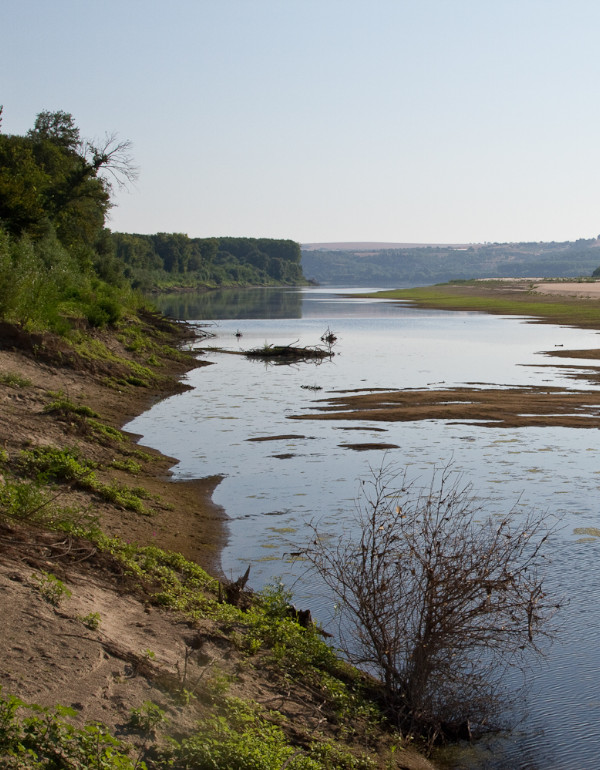
In recent years, the accommodation offer in the Danube Floodplain area has visibly diversified. In the past, tourists had access to only a few hotels or isolated cabins, but now, more and more guesthouses have appeared in the landscape, especially due to investments from European funds or local partnerships. These guesthouses offer not only places to sleep but also authentic experiences: local cuisine, boat rides, fishing, hiking, and handicraft workshops.
In cities like Turnu Măgurele, Corabia, Zimnicea, or Giurgiu, there are 2-3 star hotels that offer decent comfort and affordable prices. In the tourist villages, accommodation is mainly in rural settings – rooms in traditional households or small agrotourism units. This type of tourism is gaining more ground, especially among families and foreign tourists interested in the authentic life of the Romanian village.
Accessibility and road infrastructure
Access to the Danube Floodplain is possible via several national roads, and the condition of the roads varies depending on the county and the chosen destination area. National roads such as DN5 (towards Giurgiu), DN6 (towards Turnu Măgurele), DN54 (which follows the Danube course through Olt and Teleorman), or DN51A (towards Zimnicea) are generally passable and well-maintained. However, on some secondary segments, communal roads can be more difficult to traverse, especially during rainy periods.
A significant advantage is the proximity to major cities: Bucharest is only 60-70 km from some points in the Danube Floodplain (Giurgiu, Oltenița), which makes the area ideal for weekend escapes. Also, the rail network covers a good part of the major localities along the Danube, although the frequency of trains is relatively low.
Prices charged by hoteliers and local hosts
One of the biggest attractions of tourism in the Danube Floodplain area is the affordable prices. Unlike mountain resorts or seaside destinations, accommodation here remains one of the most budget-friendly options for families. On average, a night’s stay in a guesthouse in the Danube Floodplain ranges between 100 and 250 lei, depending on the facilities and location.
Hotels in the main cities offer rooms ranging from 150 to 300 lei per night, and some include breakfast. In the high season, some guesthouses in picturesque areas offer complete packages with full board, leisure activities, and guided tours—all at competitive prices compared to other regions in the country.
What can tourists do in the Danube Floodplain? Activities, nature, and relaxation
One of the biggest advantages of tourism in the Danube Floodplain is the direct contact with nature. Tourists can take boat trips on the Danube or its secondary canals, explore floodplain forests, or go on organized birdwatching excursions—the region being a true paradise for ornithologists. In areas around Giurgiu and Călărași, kayaking and cycling tours are becoming increasingly popular.
Sport fishing is another activity practiced extensively, and local guides can offer fishing experiences on the river, followed by traditional meals with freshly caught fish. In some villages, tourists can participate in agricultural activities, visit shepherds, or learn to cook traditional recipes.
In the evening, walks along the Danube banks, dinners under lantern light, and campfires complete a deeply relaxing and restorative experience. The Danube Floodplain is not a noisy destination but a retreat for those wishing to reconnect with the tranquility and simplicity of nature.
Tourist and cultural landmarks to visit in the Danube Floodplain
The Danube Floodplain is not only about spectacular nature but also a rich cultural heritage, inherited from the civilizations that lived here over the millennia. Some of the most well-known tourist attractions include ancient fortresses, fortified churches, local museums, and historical monuments that tell the story of a border region’s past.
In Mehedinți County, near the city of Drobeta-Turnu Severin, one can visit the Trajan’s Bridge, built during the reign of Emperor Trajan, one of the most impressive bridges of the ancient world. Nearby is also the Roman Fort Drobeta, as well as the Iron Gates Region Museum, which offers a complete picture of the area’s history.
In Olt County, the city of Corabia is home to the Sucidava Fortress, another point of interest for history enthusiasts. The famous spring with "live water," considered miraculous by locals, is also found here. Tourists can take walks along the recently modernized Danube promenade, with stunning views over the river.
In Zimnicea, the southernmost town in the country, the dendrological park and ruins of ancient Daco-Roman settlements stand out, while in Giurgiu, tourists can visit the Clock Tower, a symbol of the city, and the Friendship Bridge that connects Romania to Bulgaria.
Călărași offers access to the Big Island of Brăila and the "Iezerul Călărași" Natural Reserve, an important spot for birdwatching and nature relaxation. The monasteries in the area, such as the St. John the Russian Monastery or the Negoiu Monastery, are places filled with spirituality and serenity.
Famous tourist towns in the Danube Floodplain
Some of the most frequented tourist towns in the Danube Floodplain include:
Drobeta-Turnu Severin – a city with a rich history, museums, and a beautiful promenade;
Corabia – a port city with Roman remains and a modern promenade;
Zimnicea – an ideal place for fishing and rural tourism;
Giurgiu – a transit point to Bulgaria, with cultural attractions and urban nature;
Călărași – access to wetlands and ecotourism trails;
Oltenița – a city located at the confluence of the Argeș and Danube rivers, with agrotourism potential;
Brăila – a remarkable historical center, with a tourist port and monumental buildings;
Galați – a large, multicultural city with access to the Danube and maritime traditions.
In addition, many villages and communes such as Bechet, Islaz, Gighera, Seaca, Prundu, or Greaca are beginning to develop as agrotourism destinations, attracting visitors with their authentic charm, traditional cuisine, and local hospitality.
Gastronomy – an experience in itself
Another reason why tourists choose accommodation in the Danube Floodplain is the specific regional cuisine. The cuisine of the Danube Floodplain combines Balkan influences with fishing and agricultural traditions. Fish-based dishes—fish soup with lovage, brine, carp plăchia, or grilled mackerel—are staples in local guesthouse menus. In addition, cheese pies, stuffed cabbage rolls with rice and meat wrapped in vine leaves, zacusca, green walnut jam, and wines from the Danube vineyards complete a feast with a taste of tradition.
In many places, tourists can participate in the preparation of dishes, in culinary workshops or meals at local households. These experiences are often included in the packages offered by Danube Floodplain guesthouses, contributing to the promotion of gastronomic tourism.
Trends and opportunities for tourism development
Tourism in the Danube Floodplain is in full development, but its potential is far from being fully realized. The area has impressive natural and cultural resources, and investments in infrastructure, promotion, and digitization could transform this region into a true hub for green and sustainable tourism. Local authorities, together with entrepreneurs in the hospitality sector, are working on the development of thematic routes: cycling tourism, ecological tourism, religious tourism, and sport fishing.
Another important aspect is cross-border cooperation, especially with Bulgaria, in joint projects for tourist promotion and development of tourism infrastructure on both sides of the Danube. Thus, tourists can benefit from complete experiences, including visits to both countries, cruises, festivals, or cultural exchanges.
The Danube Floodplain is a hidden gem of Romanian tourism, waiting to be rediscovered. With its peaceful landscapes, places steeped in history, authentic traditions, and warm hospitality, this region offers everything a modern tourist could desire in search of an authentic experience.
Whether you opt for a relaxing weekend at one of the guesthouses in the Danube Floodplain or a cultural tour through the towns and villages along the Danube, this area promises a different kind of vacation, away from the hustle and bustle of mass tourism. And the accommodation in the Danube Floodplain, suitable for all budgets, is just the beginning of a journey that will connect you with the deep spirit of southern Romania.


